


Frontline Ingenuity: Safer Work, Better Processes

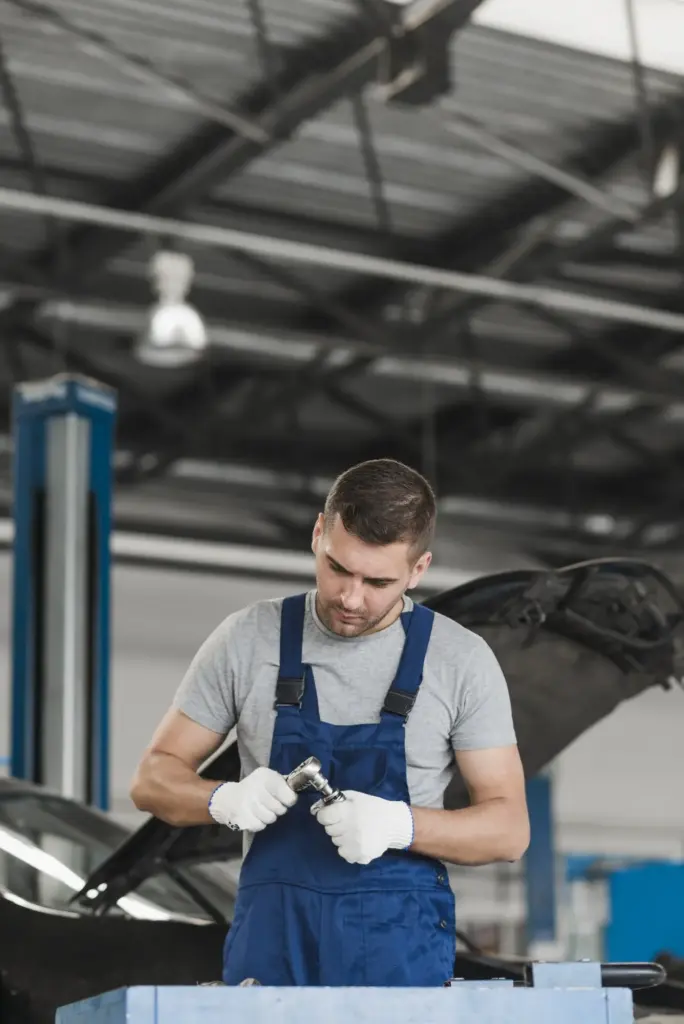
Today we dive into worker-driven continuous improvement, centering participatory safety and practical process redesign. Expect plain-language methods, real stories, and tools you can use tomorrow. When people closest to the work lead experiments, hazards shrink, flow improves, and pride grows. Join this community of practitioners turning observations into action, one respectful conversation, one small test, and one shared win at a time. Subscribe for weekly playbooks and share your wins so others can build on them.

From Insight to Action on the Shop Floor

Small observations spark big change when the people who notice them own the fix. We invite you to surface friction, name hazards, and sketch safer, smoother ways of working. Through respectful dialogue, quick experiments, and visible learning, everyday insight becomes collective capability that lifts quality, speed, and wellbeing together.

Safety Shaped by the People Doing the Work

Safety thrives when workers shape rules, signals, and guardrails they themselves will use. Instead of posters alone, build circles where stories of close calls become respected lessons. Share authority for stop-work, normalize speaking up, and design controls that fit real motions. Prevention strengthens when respect, learning, and practicality meet at eye level.

Near-Miss Goldmine

Treat every harmless close call as a gift. Capture what almost happened, what conditions were present, and which signals were missed. Replace blame with curiosity. Prioritize fixes that remove hazards at the source, then confirm with the people involved that risk truly dropped and behaviors feel easier.

Peer Observations with Respect

Invite coworkers to observe one another with consent, focusing on movements, reach, and strain, not personalities. Use checklists workers wrote. Offer thanks before suggestions. Close with a shared adjustment and a quick follow-up. When dignity stays intact, participation rises, and the workplace steadily gets safer and calmer.

Redesign Workstations, Rethink Flow

Processes feel humane when work fits bodies, tools meet hands, and paths support rhythm. Map motions with workers, remove twisting and overreach, stage parts where eyes naturally land, and balance tasks by capability. The result is less fatigue, steadier quality, faster learning, and joy in movement.

Measure What Matters, Together

Numbers motivate when people who do the work help choose them and see cause-and-effect quickly. Blend leading indicators like safe behaviors and near-miss rates with lagging ones like incidents and defects. Keep reviews honest, short, and frequent so learning beats defensiveness and results steadily improve.

Leading Beats Lagging

Track proactive signals such as ergonomic fixes installed, hazards removed, coaching moments captured, and suggestions advanced to trial. These measures invite action. When workers set targets, they nudge daily choices in safer directions and make cause-and-effect visible, long before monthly injury numbers would finally react.
Simple, Visible Dashboards

Mount whiteboards or tablets where crews gather. Show today’s goals, yesterday’s results, and one bottleneck the team chose. Use green checks, red dots, and short notes in plain language. Update during huddles, not afterward. Shared visibility builds ownership and invites quick help when trends drift.

Learning Reviews, Not Blame

After any incident or failed experiment, meet quickly to reconstruct conditions and choices without accusation. Ask what made the right action hard, then fix those constraints. Document learning in photos and one-page stories. Returning to work wiser protects people and improves performance in the same movement.

Tools and Routines That Empower

Consistent habits make improvement normal instead of special. Build short daily huddles, a lightweight idea system, and weekly safety walks hosted by rotating workers. Use simple digital forms only when they shorten effort. The goal is rhythm: try, learn, share, adjust, and keep people safe while work flows.

Stories from the Frontline

Real places prove what’s possible. In a fabrication cell, moving a parts bin and adjusting height cut reaching injuries to zero while shaving minutes per unit. A hospital unit redesigned handoffs and falls plummeted. A warehouse team co-created paths and halved collisions. Share yours to help others start.
Naxazupulomazifevutimaheti
Privacy Overview

This website uses cookies so that we can provide you with the best user experience possible. Cookie information is stored in your browser and performs functions such as recognising you when you return to our website and helping our team to understand which sections of the website you find most interesting and useful.